
RESEARCH AND DEVELOPMENT
Complete seed quality and genetic purity testing under one roof.



Tissue Culture Protocol Development
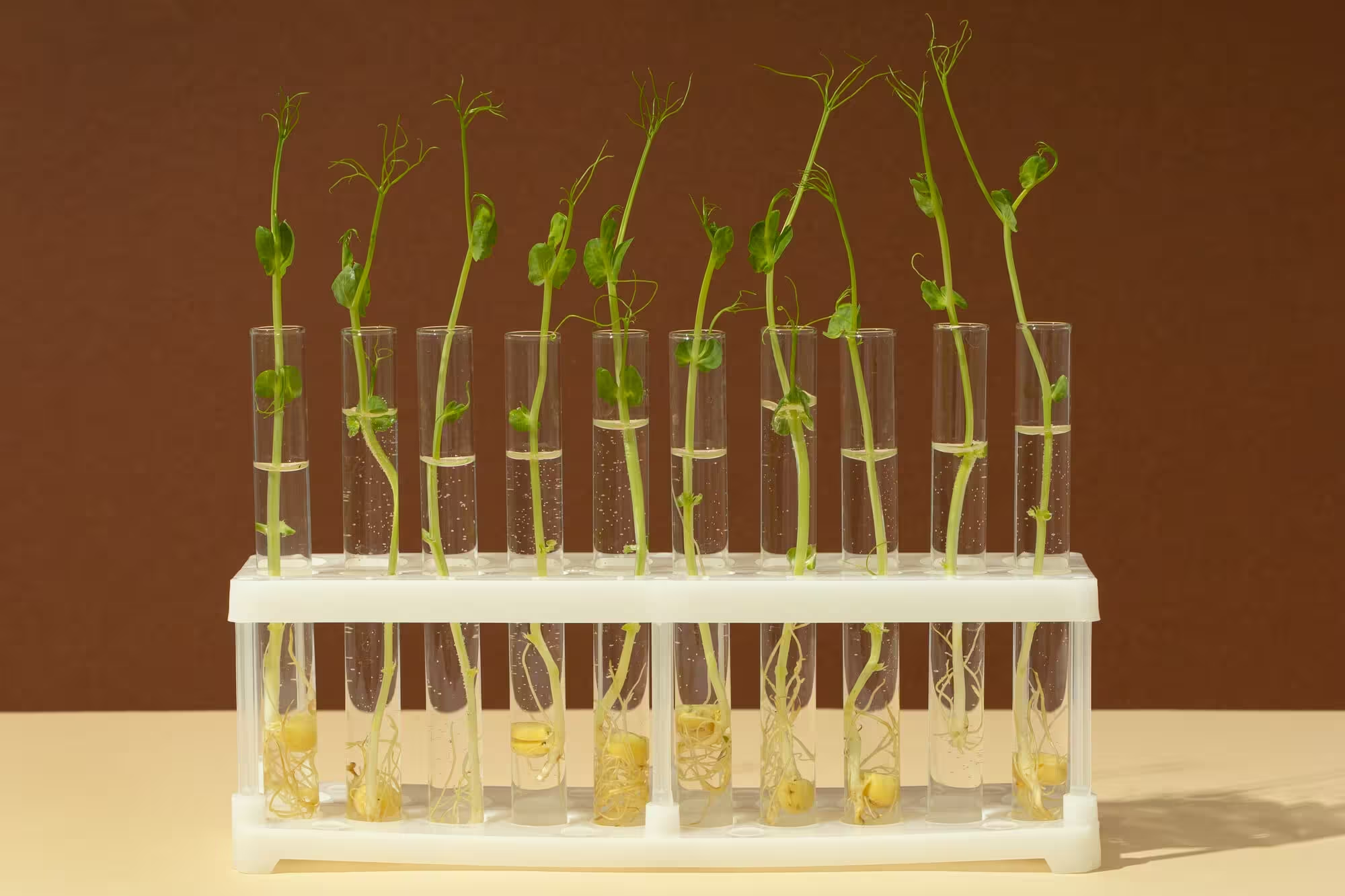
The systematic optimization of basal media, plant growth regulators, culture conditions and environmental parameters to achieve efficient and consistent plant regeneration. We work with diverse plant species and challenging genotypes to develop genotype-specific and reproducible tissue culture protocols. The optimized protocols support micropropagation, genetic transformation, genome editing, doubled haploid development and other advanced plant biotechnology applications. Our research process evaluates contamination control, explant response, callus induction, shoot regeneration, rooting efficiency and plant survival during acclimatization. Each protocol is experimentally validated to ensure consistency, reproducibility and practical laboratory applicability. We provide systematic documentation of optimized media formulations, culture conditions and regeneration parameters. Our services are designed to deliver efficient, scalable and reliable tissue culture systems for research, breeding and product development, from initial protocol development through validation and technology transfer.
Haploid Culture Development
We work with anther, microspore, ovule and other suitable haploid-inducing explants, depending on crop biology and research objectives. Culture conditions are optimized through controlled manipulation of donor plant stage, explant developmental stage, nutrient composition, plant growth regulators and environmental conditions. Our R&D workflow targets efficient gametophytic reprogramming, embryogenesis, callus formation and plant regeneration. Regenerated material is evaluated for haploid status, developmental stability, and regeneration potential using appropriate cytological or molecular approaches. The established systems provide valuable material for doubled haploid production, genetic studies, breeding research and rapid fixation of genetic variation.

Double Haploid
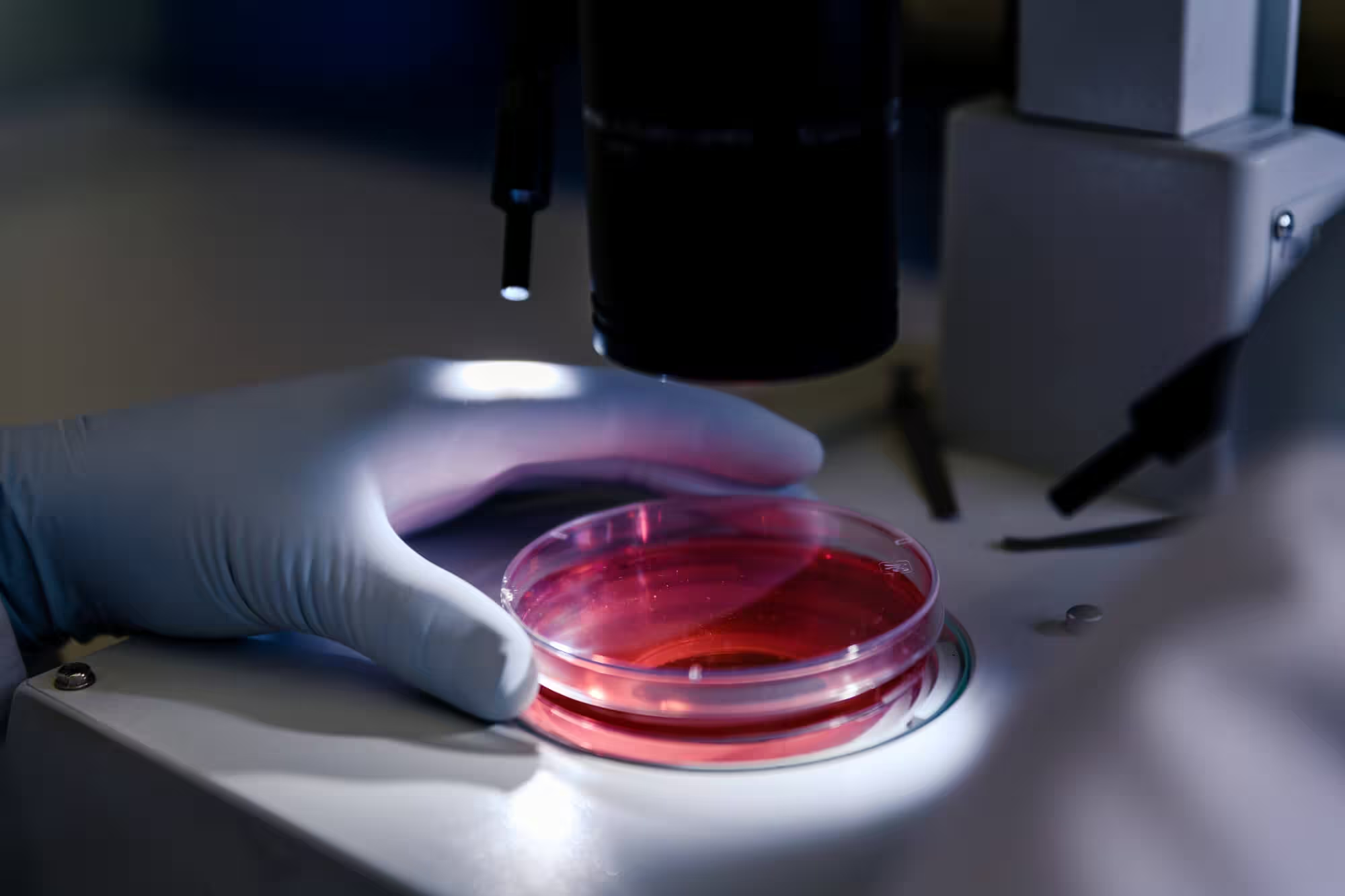
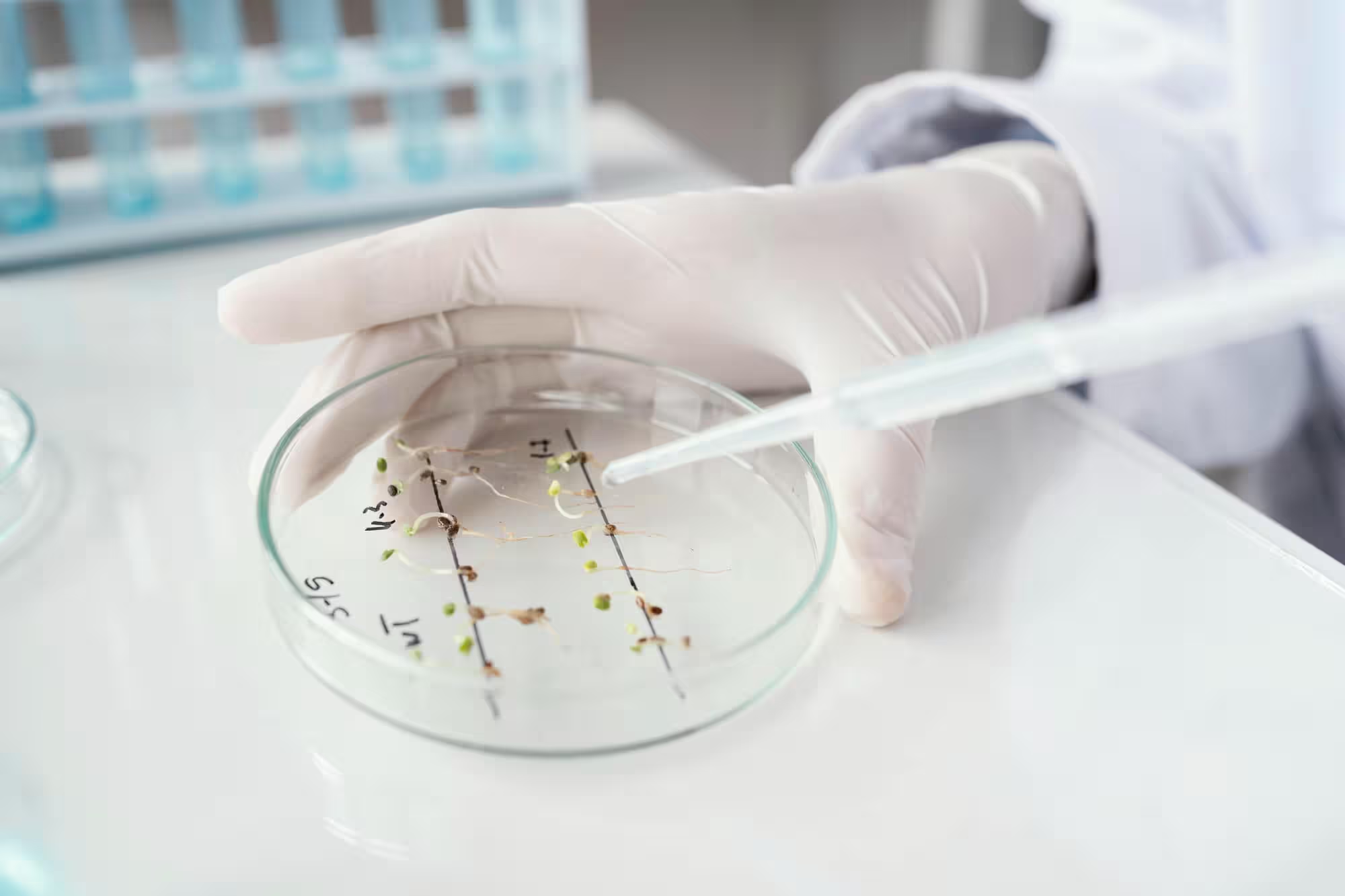
The advanced haploidization and chromosome-doubling strategies to generate fully homozygous lines within a shortened breeding cycle. The workflow may involve microspore/anther culture, haploid embryo induction, in vitro regeneration, chromosome doubling and ploidy confirmation. Experimental conditions are optimized for genotype-specific responses, including donor tissue selection, developmental stage, culture media and hormonal balance. Regenerated plants are screened using appropriate cytological and molecular approaches to determine ploidy status, chromosome stability and genetic uniformity. Fertility assessment is performed to identify stable and reproductively competent doubled haploid plants. The resulting DH lines provide valuable fixed genetic material for germplasm development, hybrid breeding, trait evaluation and molecular breeding research. Our R&D platform emphasizes protocol optimization, experimental validation, reproducibility, and systematic characterization.
Molecular Based Reverse Breeding
Molecular-based reverse breeding R&D approach applies molecular and cytogenetic approaches to reconstruct desired parental genotypes from selected heterozygous breeding material. The workflow involves genotypic characterization, marker-assisted selection, identification of complementary alleles, and targeted recovery of parental combinations. High-resolution molecular markers are used to track genomic regions associated with key traits and genetic backgrounds. Where appropriate, chromosome manipulation, haploid technologies and advanced breeding methodologies can be integrated to facilitate parental/hybrid line development. The approach supports the recovery of genetically fixed and complementary parental/hybrid lines for subsequent hybrid development. Molecular validation is performed to confirm allelic composition, genetic identity and homozygosity of selected lines.
Marker-Assisted Backcrossing
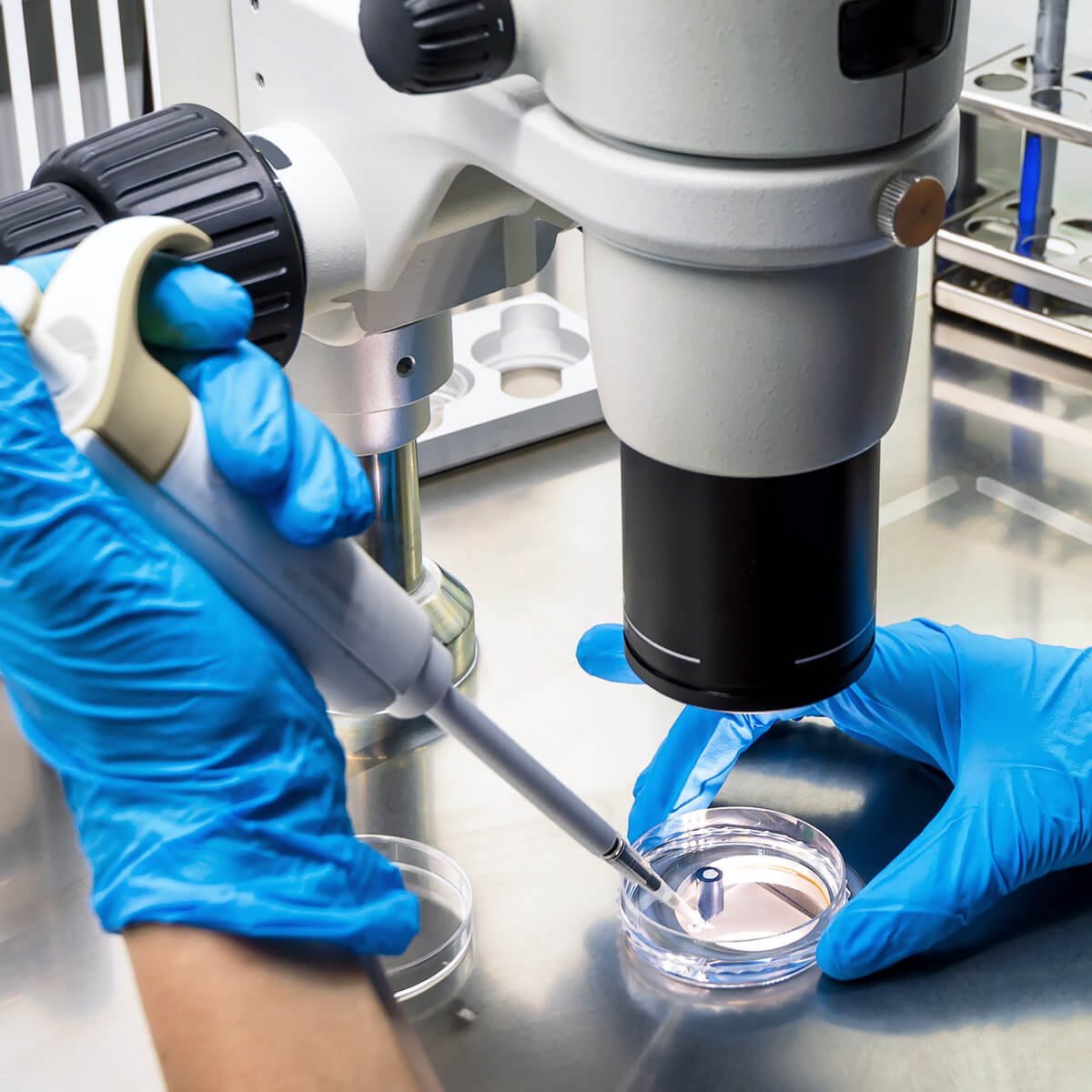
Marker-Assisted Backcrossing (MABC) R&D approach integrates molecular marker technology with conventional backcross breeding to efficiently introgress target genes or genomic regions into elite genetic backgrounds. We use trait-linked and genome-wide markers to identify progenies carrying the desired allele during successive backcross generations. Foreground selection enables precise tracking of target loci, while background selection facilitates rapid recovery of the recurrent parent genome. Molecular genotyping is performed to monitor allele inheritance, genetic background and recombination events across generations. The approach can reduce breeding cycles and improve the efficiency of trait introgression and elite line development.
GWAS/QTL Mapping
GWAS (Genome-wide association studies) and QTL (Quantitative trait loci) mapping approach applies molecular genetics and statistical genomics to identify genomic regions associated with complex agronomic and phenotypic traits. High-quality phenotypic and genotypic datasets are generated and integrated to investigate marker-trait relationships across diverse germplasm. GWAS are performed using suitable molecular markers and population-structure-aware statistical models to identify significant marker-trait associations. QTL mapping is used in appropriate segregating populations to estimate genomic intervals contributing to quantitative trait variation. Advanced data analysis supports the identification of candidate genomic regions, linked markers and potential trait-associated loci. Results can be further validated using independent populations or targeted molecular assays.

Genomic selection
Genomic Selection (GS) approach is utilizes genome-wide molecular marker data to predict the genetic potential of breeding materials for complex and quantitatively inherited traits. High-density genotyping datasets are integrated with reliable phenotypic information to develop genomic prediction models. Statistical and computational approaches are applied to estimate genomic estimated breeding values (GEBVs) and rank candidate individuals for selection. Model development includes appropriate population design, marker quality control, training population optimization and cross-validation. The approach enables early-stage selection of promising genotypes before extensive field evaluation, helping to accelerate breeding cycles and improve selection efficiency.
Genome Editing
Genome Editing approach is utilizes advanced genome engineering technologies such as CRISPR/Cas systems for precise modification of target genomic loci. The design and optimization of guide RNAs, target-specific editing strategies and delivery systems according to crop species and research objectives. The workflow includes target-site analysis, construct development, transformation, regeneration and molecular screening of edited events. Edited plants are characterized using appropriate PCR-based, sequencing, and mutation-analysis approaches to identify desired genetic modifications. The editing outcomes including indels, targeted sequence alterations, allele-specific modifications and potential off-target sites where applicable. The developed lines can support functional genomics, trait validation, gene characterization and crop improvement research.